September 10, 2026
A Nourishing Guide to Anti-Inflammatory Eating for Menopause Relief (2026)

If you are feeling puffier than usual or noticing that your joints ache more than they used to, you are not alone in this transition. These shifts often stem from internal inflammation as estrogen levels fluctuate, but choosing the right foods can help soothe your system and reclaim your energy.
Prioritize Omega-3s for Joint and Brain Support
Omega-3 fatty acids are essential fats that your body cannot produce on its own, and they act as powerful natural anti-inflammatories. Many women find that increasing these healthy fats helps reduce the 'brain fog' and joint stiffness that often peak during perimenopause.
As estrogen levels drop, our bodies lose some of their natural protection against inflammation, which can make typical daily movements feel more taxing than before. Research suggests that healthy fats help maintain the integrity of our cells and support hormonal signaling.
Focusing on fatty fish like salmon, or plant-based sources like walnuts and chia seeds, provides a steady supply of these soothing compounds. Consistently including them in your diet can lead to a noticeable difference in how your body feels upon waking up.
Try This
TRY THIS: Prep a simple chia seed pudding tonight by mixing 3 tablespoons of chia seeds with a cup of almond milk and a dash of vanilla. Let it set overnight for an Omega-3 packed breakfast that supports your joints all day.
Eat the Rainbow for Phytonutrient Protection
The vibrant pigments in fruits and vegetables are more than just pretty colors; they are antioxidants that fight oxidative stress in the body. During menopause, your body is under unique physiological stress, and these plant compounds help neutralize that burden.
Phytonutrients found in dark leafy greens, deep purple berries, and bright orange squashes help protect your cardiovascular system and support skin elasticity. These foods provide the vitamins and minerals necessary for your body to repair itself effectively.
Adding a variety of colors to your plate ensures you are getting a broad spectrum of protection. Many women find that a plant-rich diet also helps stabilize energy levels, preventing the mid-afternoon crash that often leads to sugar cravings.
Try This
TRY THIS: Aim for three different colors on your dinner plate tonight. A simple mix of sautéed spinach, roasted carrots, and red bell peppers provides a powerful punch of antioxidants with very little prep time.
Support Your Hormones with Whole Grains
Swapping refined flours for whole grains is one of the most effective ways to manage the insulin sensitivity shifts that occur during the menopause transition. Refined carbohydrates can cause blood sugar spikes that trigger inflammation and worsen night sweats.
Whole grains like quinoa, farro, and brown rice are rich in fiber, which is crucial for helping your body process and eliminate excess hormones. This keeps your system 'clean' and can help mitigate some of the mood swings associated with hormonal fluctuations.
The B vitamins found in these grains also support your nervous system. When your blood sugar is stable, your body is less likely to produce excess cortisol, the stress hormone that can contribute to stubborn midsection weight gain.
Try This
TRY THIS: Replace your morning white toast or sugary cereal with a bowl of steel-cut oats. Top it with a handful of blueberries and a sprinkle of cinnamon for a slow-burning meal that keeps your mood steady until lunch.
Nurture Your Gut for Better Mood and Immunity
There is a profound connection between your gut health and your hormonal balance, often referred to as the 'estrobolome.' Fermented foods introduce beneficial bacteria that help your body metabolize estrogen properly.
A healthy gut microbiome can reduce systemic inflammation and has been linked to improved mood and sleep quality. Since a large portion of your serotonin is produced in the gut, keeping your digestive system happy is a direct way to support your emotional well-being.
Incorporating small amounts of sauerkraut, kimchi, or plain Greek yogurt can make a significant difference. These foods act as a natural defense system, keeping your immune system strong and your digestion smooth during a time when many women experience bloating.
Try This
TRY THIS: Add a spoonful of raw sauerkraut to your lunch salad or enjoy a small glass of kefir in the afternoon. This simple habit introduces live cultures that support your gut-brain axis and help calm bloating.
Gently Reducing Inflammatory Triggers
While it is not about perfection, being mindful of sugar and highly processed foods can significantly lower your overall inflammation. High sugar intake is a known trigger for hot flashes and can disrupt your sleep patterns.
Processed oils and artificial additives can sometimes be recognized by the body as irritants, leading to a lingering sense of fatigue or 'heaviness.' Reducing these allows your body to focus its energy on healing and hormonal regulation instead of fighting off dietary triggers.
Focus on whole, single-ingredient foods whenever possible. Many women notice that within just a few days of reducing refined sugar, their skin looks clearer and they wake up feeling more refreshed and less stiff.
Try This
TRY THIS: When a sugar craving hits, reach for a square of dark chocolate (70% cocoa or higher) instead of a processed sweet. It provides magnesium and antioxidants without the inflammatory sugar spike of a traditional dessert.
Free: Symptom Tracker Printable
Track your hot flashes, sleep quality, and what's actually helping—so you can spot patterns and share real data with your doctor.
Digital Download — $14.99
The Menopause Wellness Planner
Everything in the free tracker plus daily logging, supplement tracking, appointment prep sheets, and mood patterns. Built specifically for women navigating this transition.
Get the Planner on Etsy →Instant download • Print at home • One-time purchase
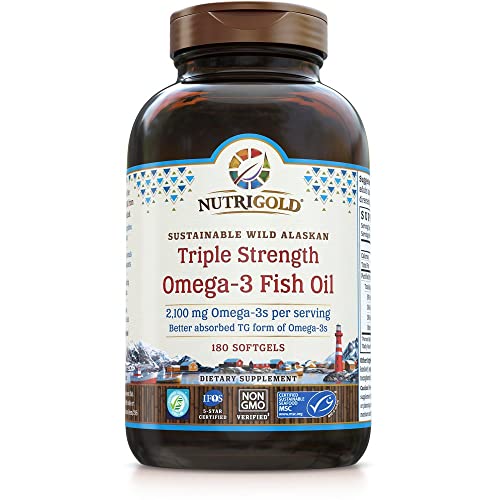
What’s Been Helping Me
A few things I keep on my nightstand.


FAQ
How long does it take for anti-inflammatory eating to help menopause symptoms?
Many women notice a difference in their energy levels and bloating within 1 to 2 weeks. More significant changes in joint comfort and hot flash frequency typically appear after 4 to 6 weeks of consistent dietary shifts.
Can I still have coffee while following an anti-inflammatory plan?
Yes, moderate coffee consumption is actually a source of antioxidants for many. However, try to avoid adding refined sugars or artificial creamers, which can trigger inflammatory responses.
Is it okay to use frozen fruits and vegetables?
Absolutely, frozen produce is often flash-frozen at peak ripeness, preserving all the anti-inflammatory phytonutrients. They are a practical and budget-friendly way to ensure you always have 'the rainbow' in your kitchen.
From Our Network