September 03, 2026
A Gentle Guide to the Best Supplements for Menopause Weight Gain: Doctor Recommended (2026)

Waking up to find your favorite jeans feel tight can be so disheartening, especially when you haven't changed your diet. If you are navigating the metabolic shifts of menopause, please know it's not your fault—your body is simply asking for a little extra support during this transition.
Supporting Your Metabolism Through the Transition
As estrogen levels begin to dip during perimenopause and menopause, your metabolic rate naturally starts to slow down. This change often shifts where your body stores fat, frequently leading to what many women call the 'menopause middle'.
Hormonal changes can affect how your body processes insulin, making it easier to store energy as fat rather than burning it for fuel. This isn't about a lack of willpower; it is a physiological response to a new hormonal landscape.
Research suggests that specific nutrients can help bridge this gap by supporting cellular energy production. Many women find that focusing on metabolic health rather than calorie restriction leads to more sustainable results and better energy.
Try This
TRY THIS: Start your morning with a high-protein breakfast within an hour of waking. This helps stabilize your blood sugar early in the day, which can prevent the metabolic 'slump' that often leads to late-afternoon weight gain.
Managing Cravings and Appetite Naturally
Fluctuating hormones can play havoc with your hunger signals, specifically ghrelin and leptin, which tell you when you're hungry or full. This often results in intense cravings for sugar or simple carbohydrates that seem to appear out of nowhere.
When your body is looking for a quick energy boost to combat menopause fatigue, it often triggers a desire for snacks. Providing your body with the right supplements can help dampen these signals and keep you feeling satisfied longer.
Many women find that by addressing the underlying nutritional needs of their nervous system, the 'need' to snack on sweets naturally diminishes. It is about working with your body's chemistry rather than fighting against it.
Try This
TRY THIS: If a sugar craving hits, try a glass of water with a squeeze of lemon and wait ten minutes. Often, our brains confuse menopause-related dehydration with hunger signals.
The Link Between Inflammation and Weight
Menopause is often associated with an increase in systemic inflammation, which can make the body more resistant to weight loss. This inflammation is often a silent contributor to the puffiness and bloating many women experience.
When the body is in a state of high inflammation, it prioritizes storing fat as a protective mechanism. By introducing anti-inflammatory nutrients, you can signal to your system that it is safe to release stored energy.
Many doctor-approved ingredients focus on calming this internal stress. When the body feels less 'under attack' from inflammation, your hormones can return to a more balanced state, supporting a healthier weight.
Try This
TRY THIS: Swap your second cup of coffee for a cup of ginger or green tea. Both contain natural compounds that help soothe inflammation and support a healthy metabolic rate without the cortisol spike of extra caffeine.
Restorative Sleep for Weight Management
It might seem surprising, but one of the most effective ways to manage menopause weight is through better sleep. Poor sleep increases cortisol, a stress hormone that is directly linked to increased abdominal fat.
When hot flashes and night sweats keep you awake, your body enters a 'survival mode' the next day, slowing down your metabolism to conserve energy. This makes it much harder to maintain your usual weight.
Supporting your sleep cycle with gentle supplements can have a ripple effect on your weight. When you are well-rested, your body is much more efficient at regulating blood sugar and processing the food you eat.
Try This
TRY THIS: Create a 'digital sunset' by turning off screens 60 minutes before bed. This helps your natural melatonin production, making it easier to fall into the deep sleep your metabolism needs to recover.
Free: Symptom Tracker Printable
Track your hot flashes, sleep quality, and what's actually helping—so you can spot patterns and share real data with your doctor.
Digital Download — $14.99
The Menopause Wellness Planner
Everything in the free tracker plus daily logging, supplement tracking, appointment prep sheets, and mood patterns. Built specifically for women navigating this transition.
Get the Planner on Etsy →Instant download • Print at home • One-time purchase
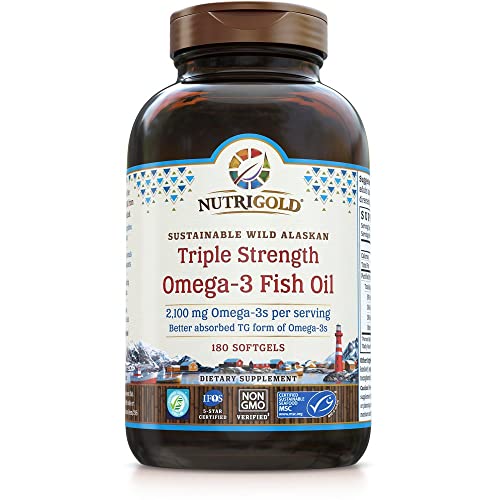
What’s Been Helping Me
A few things I keep on my nightstand.


FAQ
Can supplements really help with menopause weight gain?
While they aren't magic fixes, supplements can help address the underlying hormonal imbalances and nutritional gaps that make weight gain more likely during this time. Many women find they provide the support needed to make healthy lifestyle changes more effective.
How long should I wait to see results from these supplements?
Most women find that it takes about 4 to 8 weeks of consistent use to notice a difference in their energy, cravings, and overall metabolic balance. Consistency is key when helping your body adjust to a new supplement routine.
Are these supplements safe to take with my other medications?
While these are generally considered safe, it is always best to show your specific list of supplements to your healthcare provider. They can ensure there are no interactions and help you tailor the dosage to your specific needs.
From Our Network