September 02, 2026
Body Image in Menopause: 5 Ways to Find Self-Compassion in 2026
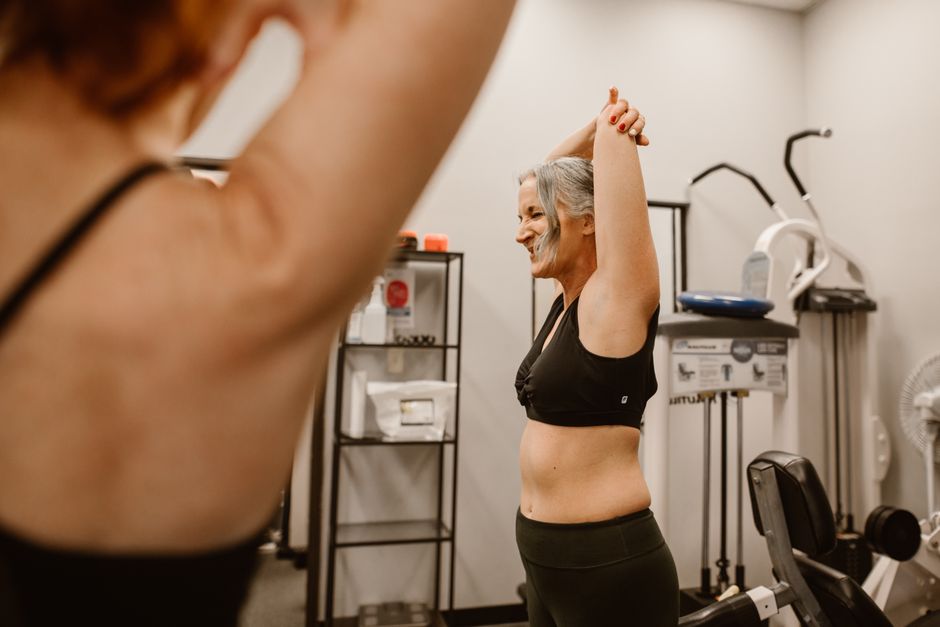
If you find yourself looking in the mirror and feeling like you don't recognize the person staring back, please know you are not alone. Menopause brings shifts that can feel overwhelming, but we can learn to approach our changing bodies with kindness instead of frustration. Here are five practical ways to rebuild your relationship with yourself today.
Replace Negative Self-Talk with Neutrality
It is common to get stuck in a loop of harsh criticism when we notice changes in our weight or skin texture. We often treat ourselves with a level of cruelty we would never show a friend.
As estrogen levels shift, our body composition naturally redistributes, often leading to changes that feel sudden or unwanted. This isn't a failure of willpower, but a physiological transition.
Instead of forcing positivity, aim for neutrality. Practice describing your body as a functional vessel rather than an object to be evaluated. Facts are kinder than judgments.
Try This
TRY THIS: Every time you catch a negative thought, pivot to a neutral observation. Instead of 'I look bloated,' try 'My body is holding onto extra water today.' It changes the internal narrative from a judgment to a data point.
Prioritize Comfort in What You Wear
There is a deep mental tax associated with squeezing into clothes that no longer fit. When our clothing feels like a constraint, it serves as a constant reminder of change rather than a tool for comfort.
Hormonal fluctuations during menopause can cause fluid retention and sensitivity, making stiff or tight fabrics feel physically uncomfortable.
Embrace your current body by wearing pieces that accommodate your shape right now. When you aren't fighting with your waistband, you have more mental energy for your day.
Try This
TRY THIS: Conduct a closet audit. Take the items that pinch or pull and pack them away for now. Replace them with soft, breathable fabrics that make you feel at ease immediately.
Cultivate Daily Gratitude for Function
We are conditioned to value our bodies for how they appear, yet they are working tirelessly behind the scenes to navigate the complex hormonal shifts of menopause.
Focusing on what your body does—rather than how it looks—can shift your perspective. Your body is the engine that allows you to walk, think, create, and connect with loved ones.
Research suggests that practicing gratitude can lower cortisol levels, which is especially helpful when you are already dealing with the added stress of hormonal transition.
Try This
TRY THIS: Write down three things your body helped you accomplish today. Did it carry you up the stairs? Did it help you focus on a project? Acknowledge these wins before you start your day.
Curate Your Digital Environment
Social media platforms often present a filtered, singular view of aging that does not reflect the reality of most women’s lives.
Repeated exposure to curated images can trigger subconscious comparisons that harm our mental well-being during this already sensitive period.
Intentionally unfollowing or muting accounts that leave you feeling 'less than' is a radical act of self-care. Replace them with creators who celebrate authentic, diverse experiences.
Try This
TRY THIS: Spend five minutes scrolling through your 'Following' list. If an account makes you feel critical of your own body, hit unfollow. Your feed should be a place that inspires you, not one that drains your peace.
Identify Emotional Patterns with Tracking
Menopause often brings heightened emotional sensitivity and sleep disruption, both of which can lead to comfort eating as a way to self-soothe.
When our hormones are in flux, our blood sugar stability and hunger cues may feel unpredictable. This is a normal response to the chemical changes occurring in your system.
Using a tracker allows you to see the correlation between your mood, your energy levels, and your eating habits, allowing you to address the root of the discomfort rather than judging the symptom.
Try This
TRY THIS: Use a simple journal to note your mood alongside your meals for three days. You might find that your cravings are actually linked to sleep deprivation or high-stress moments, helping you address the root cause.
Free: Symptom Tracker Printable
Track your hot flashes, sleep quality, and what's actually helping — so you can spot patterns and share real data with your doctor.
Digital Download — $14.99
The Menopause Wellness Planner
Everything in the free tracker plus daily logging, supplement tracking, appointment prep sheets, and mood patterns. Built specifically for women navigating this transition.
Get the Planner on Etsy →Instant download • Print at home • One-time purchase
What’s Been Helping Me
A few things I keep on my nightstand.


FAQ
Is it normal to feel disconnected from my body during menopause?
It is completely normal to feel this way as your body experiences significant hormonal changes. Many women report this sense of disconnection, and it is a signal to slow down and treat yourself with extra gentleness.
From Our Network