September 13, 2026
Your Menopause Support Strategy: Creating a Simple Plan for Relief (2026)
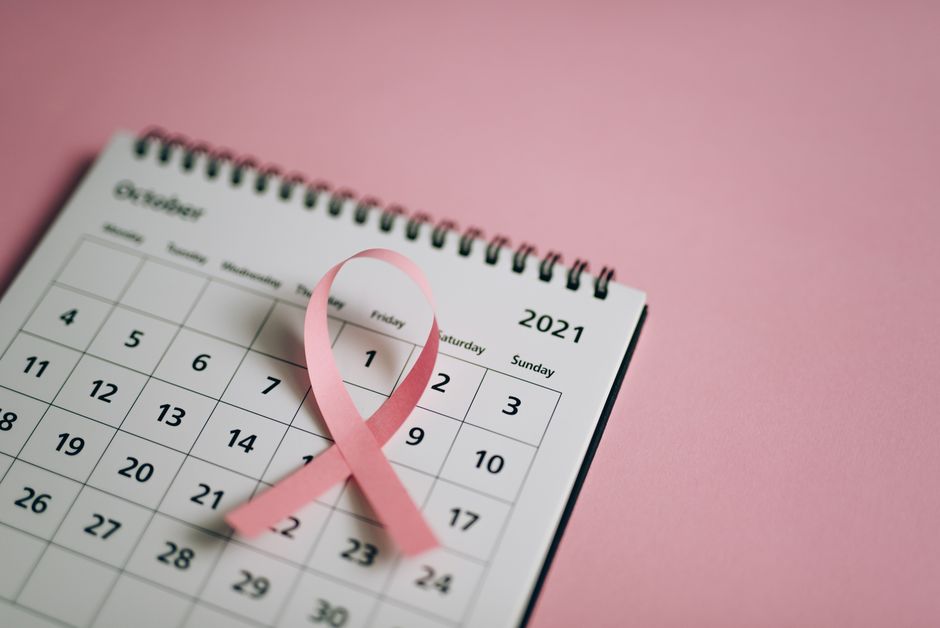
Navigating the shifts of menopause can feel like a full-time job without a manual to guide you. If you are feeling a bit lost in the fog of hot flashes and mood swings, building a clear, manageable plan helps put you back in the driver's seat of your own well-being.
Start with the Data: Why Tracking Changes Everything
Hormones fluctuate wildly during this transition, making it hard to tell if your fatigue is from a late night or a shift in estrogen. By keeping a record, you move away from guesswork and toward clarity.
Research suggests that identifying specific triggers—like that extra cup of coffee or a stressful deadline—can significantly reduce the frequency of vasomotor symptoms like hot flashes.
When you have a record of your cycle, sleep quality, and mood, you have the evidence needed to advocate for yourself during short doctor visits where symptoms are often minimized.
Try This
TRY THIS: Keep a simple log by your bed. Note your energy levels on a scale of 1-5 and one thing you ate that felt good. This simple step helps identify patterns you might otherwise miss during the busiest parts of your day.
Partnering with Your Healthcare Provider
Finding relief often requires a team effort, and your doctor is your most valuable resource for discussing hormone therapy or non-hormonal options. Being proactive rather than reactive ensures you get help before symptoms become unbearable.
Many women find that preparing a 'symptom summary' before their appointment leads to more productive conversations and faster access to testing or specialists.
A regular check-in allows your provider to monitor bone density and heart health, which become even more vital as estrogen levels naturally decline during this phase of life.
Try This
TRY THIS: Set a recurring calendar reminder for every six months to check in with your provider. Write down your top three questions before the visit so you don't forget them in the heat of the moment.
Mastering the Heat: Your Personal Hot Flash Plan
Hot flashes occur when the body's internal thermostat becomes more sensitive to slight changes in temperature. Having a 'go-bag' of cooling tools can help you manage these surges with confidence.
Hormonal context matters here, as the sudden drop in estrogen affects the hypothalamus, the part of the brain responsible for regulating heat. Understanding this can help take the shame out of a sudden sweat.
Practical layering and environmental control are the foundations of comfort. Small adjustments to your clothing and home climate can make a world of difference in your daily comfort levels.
Try This
TRY THIS: Keep a cooling towel or a small fan in your purse. When you feel that first wave of heat, apply a cool surface to the back of your neck immediately to help your body regulate its temperature faster.
Reclaiming Your Rest Through Sleep Hygiene
Sleep disruption is one of the most common complaints during the menopause transition, often caused by a combination of night sweats and shifting progesterone levels.
Creating a sanctuary-like environment for sleep isn't just a luxury; it is a necessity for cognitive function and emotional resilience when your body is going through so much change.
Many women find that cooling fabrics and a consistent wind-down ritual help signal to the brain that it is safe to rest, even when internal temperatures are fluctuating.
Try This
TRY THIS: Keep your bedroom at 65°F. Use bamboo sheets instead of cotton—they wick moisture away much faster. Put a cooling mattress pad on your bed to help manage night sweats before they wake you up.
Free: Symptom Tracker Printable
Track your hot flashes, sleep quality, and what's actually helping—so you can spot patterns and share real data with your doctor.
Digital Download — $14.99
The Menopause Wellness Planner
Everything in the free tracker plus daily logging, supplement tracking, appointment prep sheets, and mood patterns. Built specifically for women navigating this transition.
Get the Planner on Etsy →Instant download • Print at home • One-time purchase
What’s Been Helping Me
A few things I keep on my nightstand.


FAQ
How long does it take to see results from a menopause management plan?
Research suggests consistent tracking for 4-6 weeks helps most women identify their unique triggers and find the specific lifestyle adjustments that offer the most relief.
Can I start a management plan at any stage of the transition?
Absolutely, whether you are in early perimenopause or post-menopause, having a structured approach helps you stay proactive about your long-term health and daily comfort.
From Our Network