August 25, 2026
HRT News: What's Real About Hormone Therapy and Your Menopause Journey (2026)
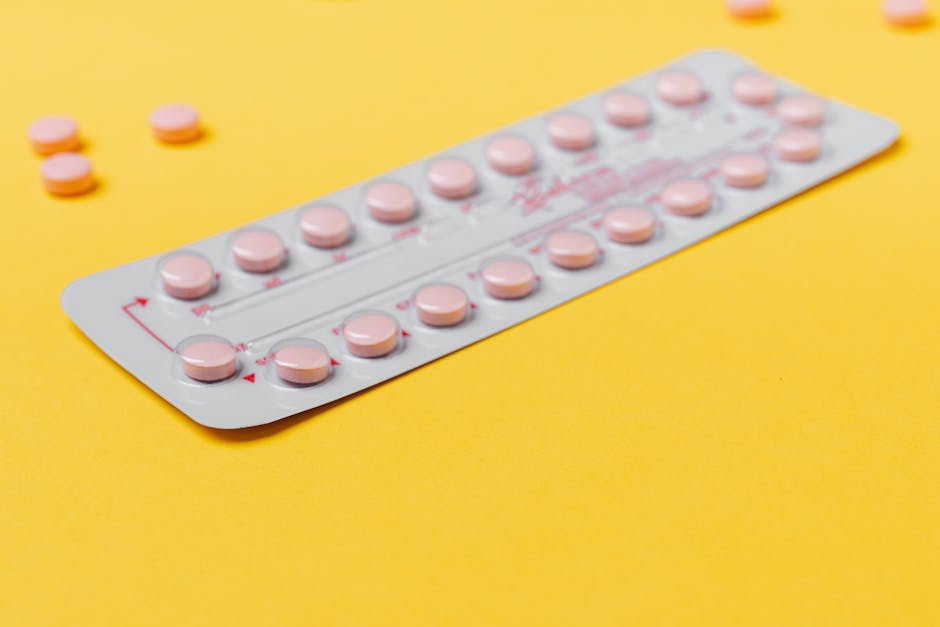
If you've been reading the recent headlines about HRT, you likely feel a mix of hope and confusion. You deserve clarity in this transition, so let's break down the latest news into manageable, practical steps for your wellbeing.
Understanding the Evolving HRT Landscape
New studies on Hormone Replacement Therapy appear frequently, often highlighting different findings that leave many of us unsure of the risks versus the benefits. It is helpful to remember that individual biology plays a massive role in how our bodies respond to hormonal changes.
As estrogen and progesterone levels fluctuate during perimenopause, our bodies undergo significant shifts that impact sleep, mood, and temperature regulation. These studies are looking at populations, not individuals, which is why the data can sometimes feel contradictory.
Instead of focusing on broad headlines, many women find peace by focusing on their specific symptom profile. Research suggests that for many, HRT can support quality of life, but it remains a personal decision made alongside a trusted healthcare partner.
Try This
TRY THIS: Bookmark a single, reputable medical news site and limit your research to 15 minutes a week. Obsessing over every new article often increases cortisol, which can worsen hot flashes.
Partnering with Your Healthcare Provider
Having an open, honest conversation with your doctor is the foundation of managing your symptoms effectively. It is okay to walk into an appointment with a list of questions and expectations.
Menopause is a multifaceted transition that affects every system in your body. Because doctors are not always specialists in menopause, you may need to guide the conversation based on your lived experience.
Clear communication prevents misunderstandings about your goals. Discuss whether your main concern is sleep disruption, temperature regulation, or mood stability, as this helps your provider suggest the most relevant options for your lifestyle.
Try This
TRY THIS: Before your next appointment, write down your top three symptoms and how they impact your daily joy. Bring this list with you so you don't feel pressured to remember everything in the moment.
The Power of Meticulous Symptom Tracking
Before considering HRT, data is your greatest ally. Doctors rely heavily on objective information to determine if a treatment plan is working as intended.
When your hormones shift, it is easy to forget if a hot flash happened yesterday or last week. Tracking helps you identify triggers, such as caffeine, stress, or specific times of the day.
By recording your daily experiences, you create a baseline. This allows you to evaluate whether any adjustments you make—whether lifestyle or medical—are actually providing the relief you need.
Try This
TRY THIS: Start a simple nightly routine where you jot down your sleep quality and number of hot flashes. Consistency is more important than detail; just keep it simple for now.
Navigating Changes During Treatment
Even after starting a regimen, symptoms may evolve. This is a natural part of the transition, not necessarily a failure of your current treatment path.
Hormonal needs change as you move through different stages of perimenopause. Staying observant of your body’s signals ensures you aren't just 'pushing through' discomfort that could be managed.
If you notice persistent changes or new symptoms, document them immediately. This information is vital for your doctor to determine if a dosage adjustment or a change in delivery method is appropriate.
Try This
TRY THIS: Use a recurring calendar alert on your phone once a month to check in with yourself. Ask: 'How have my symptoms changed in the last 30 days?'
Free: Symptom Tracker Printable
Track your hot flashes, sleep quality, and what's actually helping — so you can spot patterns and share real data with your doctor.
Digital Download — $14.99
The Menopause Wellness Planner
Everything in the free tracker plus daily logging, supplement tracking, appointment prep sheets, and mood patterns. Built specifically for women navigating this transition.
Get the Planner on Etsy →Instant download • Print at home • One-time purchase
What’s Been Helping Me
A few things I keep on my nightstand.


FAQ
Should I be afraid of the recent HRT studies?
It is normal to feel concerned, but remember that studies look at broad averages rather than individual health histories. Discussing your personal history with a menopause-certified provider can help you weigh your options safely.
From Our Network