September 07, 2026
Stiff and Sore? Navigating Menopause Joint Pain (2026)
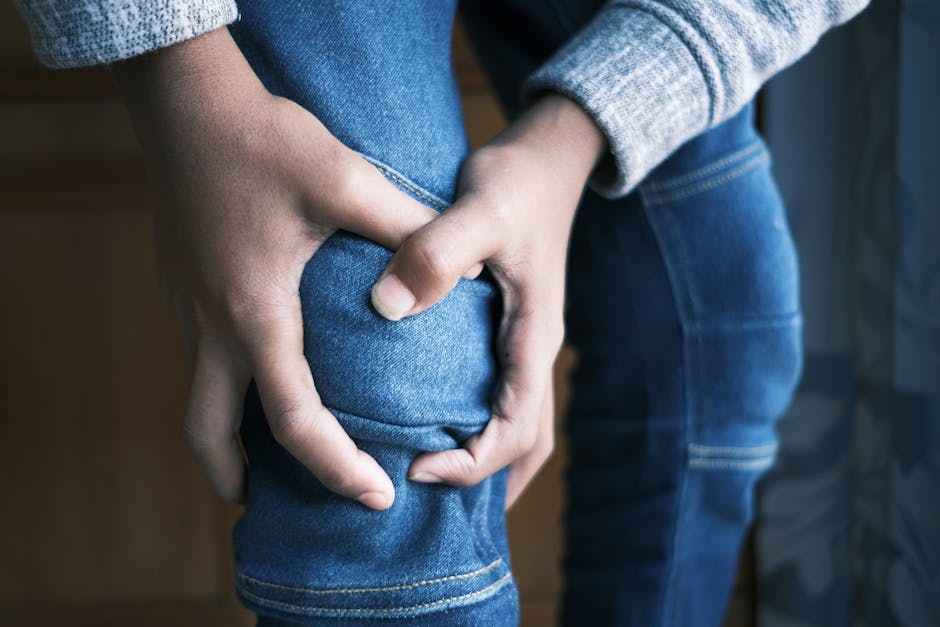
You aren't imagining those creaky knees or stiff morning fingers; joint pain is one of the most common, yet frequently overlooked, symptoms of the menopause transition. If your body feels heavier or less fluid than it used to, know that you are not alone and there are gentle ways to reclaim your comfort.
Gentle Movement is Your Friend
When our joints ache, our first instinct is often to stop moving entirely to prevent further discomfort. However, complete inactivity can sometimes lead to increased stiffness, making that first step out of bed even more challenging.
During this life stage, the drop in estrogen may affect the collagen in your joints and connective tissues, potentially leading to less lubrication and increased sensitivity. Staying active helps keep your joints mobile and blood flowing to the areas that need it most.
The goal isn't intense training, but rather consistent, low-impact motion that encourages circulation without putting unnecessary stress on your frame.
Try This
TRY THIS: Spend five minutes every morning doing gentle, non-weight-bearing stretches while still in bed. Focus on ankle circles and slow knee extensions to get your fluid moving before you stand up.
Hydration and Anti-Inflammatory Support
Water acts as a shock absorber for your joints, and as we navigate hormonal shifts, our hydration needs can actually increase. Ensuring you are well-hydrated throughout the day helps maintain the synovial fluid that keeps your joints gliding smoothly.
Beyond water, what you put on your plate can influence your inflammation levels. Many women find that focusing on whole, colorful foods helps manage the 'background noise' of systemic inflammation that often accompanies hormonal changes.
Incorporating specific nutrients, like those found in turmeric or omega-3 sources, may help you feel a bit more comfortable day-to-day by naturally supporting your body's response to inflammation.
Try This
TRY THIS: Place a bottle of water next to your favorite chair. Every time you finish a chapter of a book or an email, take a long sip. Aim for one extra glass before lunch.
Tracking for Clarity
Because joint pain can fluctuate wildly due to stress, sleep quality, and diet, it can be hard to pinpoint exactly what triggers a flare-up. Tracking your symptoms is a powerful way to see the 'big picture' of your health.
When you record your daily pain levels alongside your activities and food intake, you might discover surprising patterns. Perhaps your joints feel stiffer after high-sugar meals or on days when your sleep quality was poor.
By identifying these individual triggers, you move from feeling at the mercy of your symptoms to having a concrete plan for managing them more effectively.
Try This
TRY THIS: Use a simple notebook or our printable tracker to rate your joint stiffness on a scale of 1-10 each morning. Look back after one week to see if specific days stand out.
Free: Symptom Tracker Printable
Track your hot flashes, sleep quality, and what's actually helping — so you can spot patterns and share real data with your doctor.
Digital Download — $14.99
The Menopause Wellness Planner
Everything in the free tracker plus daily logging, supplement tracking, appointment prep sheets, and mood patterns. Built specifically for women navigating this transition.
Get the Planner on Etsy →Instant download • Print at home • One-time purchase
What’s Been Helping Me
A few things I keep on my nightstand.


FAQ
Is joint pain during menopause normal?
Yes, many women report experiencing increased joint aches and stiffness during this phase. It is often linked to the shift in hormones that affects how our tissues respond to movement.
From Our Network