August 25, 2026
Beyond Hot Flashes: Less-Discussed Menopause Symptoms & What Doctors Miss (2026)

You're not imagining it – menopause can bring a host of changes that go beyond the well-known symptoms. If you're grappling with fatigue, skin woes, or unexplained anxiety, know that you're not alone and there are gentle ways to find relief.
The Fatigue That Rest Can't Fix
That bone-deep exhaustion that lingers even after a full night's sleep? It's a common, yet often dismissed, menopause symptom. It feels like your battery is perpetually at 10%, no matter how much you recharge.
Hormonal shifts, particularly declining estrogen, can significantly impact energy regulation and sleep architecture, leading to this persistent fatigue. It's not about being lazy; it's your body adjusting to new hormonal levels.
Focusing on nutrient-dense foods, gentle movement, and stress management can make a difference. Prioritizing sleep hygiene is also key, even if sleep quality is challenging.
Try This
TRY THIS: Create a 'wind-down' routine 60 minutes before bed. Dim the lights, listen to calming music, and avoid screens. Consider a magnesium glycinate supplement before bed, as it's known for its calming properties and may support sleep quality.
Skin That Feels Different: Texture and Elasticity Shifts
You might notice your skin feels drier, thinner, or less elastic than before. It's not just about wrinkles; it's a change in the overall texture and resilience of your skin.
Estrogen plays a vital role in maintaining skin hydration, collagen production, and elasticity. As estrogen levels decrease, these functions can be compromised, leading to these noticeable skin changes.
Staying hydrated from the inside out, incorporating nourishing skincare, and considering supplements that support skin health can be beneficial. Gentle cleansing and moisturizing are also important.
Try This
TRY THIS: Add a hydrating serum with hyaluronic acid to your skincare routine. Consider a high-quality collagen powder or collagen peptides supplement; many women find it supports skin elasticity and hydration.
The Unsettling Rise of Anxiety and Mood Swings
Sudden bouts of anxiety, irritability, or emotional volatility can be incredibly unsettling. These mood shifts can feel out of character and disruptive to your daily life.
Fluctuating estrogen levels can affect neurotransmitters like serotonin, which are crucial for mood regulation. This hormonal rollercoaster can lead to increased feelings of anxiety and emotional sensitivity.
Mindfulness practices, regular gentle exercise, and creating supportive routines can help manage these feelings. Sometimes, talking to a therapist or counselor can provide valuable coping strategies.
Try This
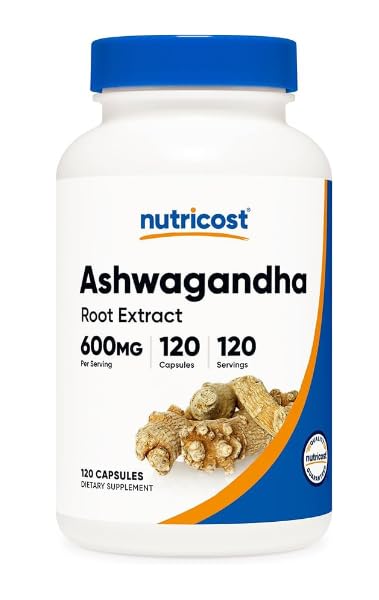
TRY THIS: Practice deep breathing exercises for 5 minutes each morning. Try an ashwagandha supplement, which is an adaptogen that may help the body manage stress and promote a sense of calm.
Digestive Upset That Comes Out of Nowhere
Experiencing new bloating, constipation, or changes in bowel habits that seem to appear without a clear cause can be frustrating and uncomfortable.
Hormonal changes can affect the entire digestive system, including gut motility and the balance of gut bacteria. Estrogen influences the gut lining and can impact how quickly food moves through your system.
Focus on a diet rich in fiber, stay hydrated, and consider probiotics to support a healthy gut microbiome. Eating mindfully and avoiding trigger foods can also help ease digestive distress.
Try This
TRY THIS: Incorporate probiotic-rich foods like yogurt or kefir into your diet. If you don't have digestive issues, consider a daily probiotic supplement to support gut health.
Joint Aches and Stiffness: The Unwanted Companion
Waking up with stiff joints or experiencing aches and pains that weren't there before can make simple movements feel challenging.
Estrogen plays a role in lubricating joints and maintaining cartilage. As estrogen declines, some women experience increased joint stiffness and discomfort, similar to what can be seen in conditions like arthritis.
Gentle, low-impact exercise like swimming or yoga, along with anti-inflammatory foods and targeted supplements, can offer relief. Staying active is key to maintaining joint mobility.
Try This
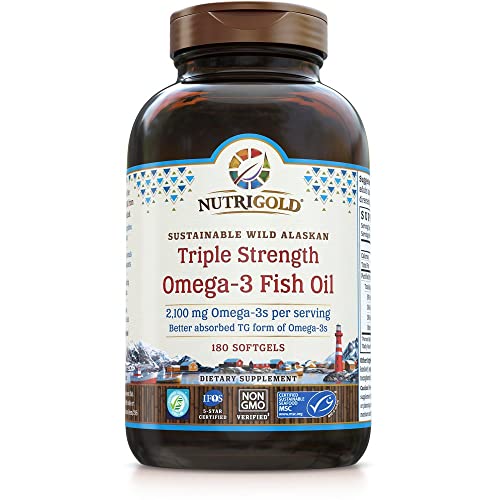
TRY THIS: Start your day with gentle stretching for 10 minutes. Consider an omega 3 supplement, rich in EPA and DHA, which are known for their anti-inflammatory properties that may help with joint comfort.
Free: Symptom Tracker Printable
Track your hot flashes, sleep quality, and what's actually helping — so you can spot patterns and share real data with your doctor.
Digital Download — $14.99
The Menopause Wellness Planner
Everything in the free tracker plus daily logging, supplement tracking, appointment prep sheets, and mood patterns. Built specifically for women navigating this transition.
Get the Planner on Etsy →Instant download • Print at home • One-time purchase
What’s Been Helping Me
A few things I keep on my nightstand.

FAQ
Can these less-discussed menopause symptoms be managed without hormones?
Yes, many women find relief through lifestyle adjustments, targeted supplements, and stress management techniques. Tracking your symptoms can help identify what works best for you.
From Our Network