August 12, 2026
Perimenopause vs Menopause: Pinpointing Your Stage for Peace of Mind (2026)
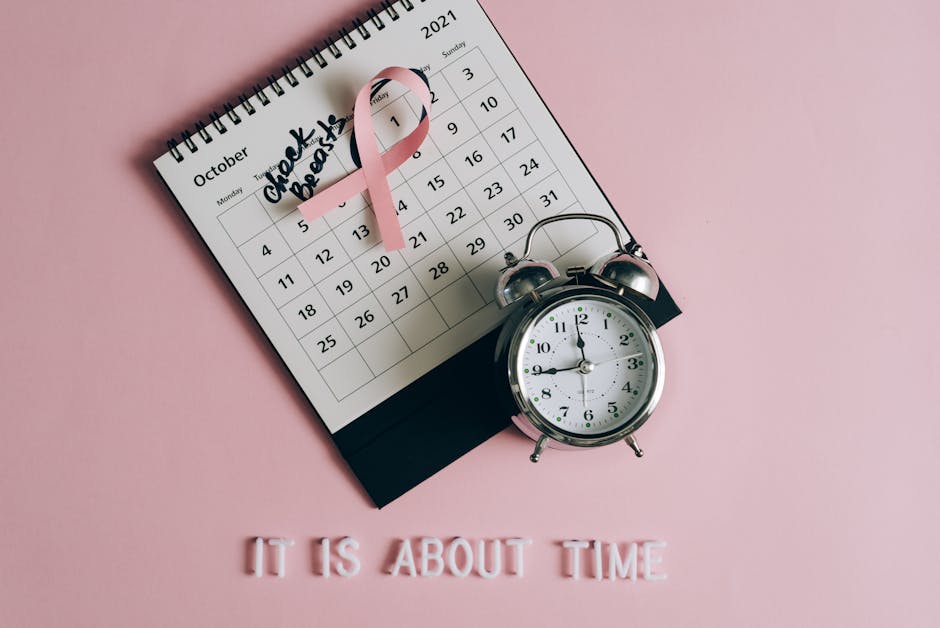
Navigating the changes of perimenopause and menopause can feel like being in a fog. You're not alone in wondering exactly where you are in this journey. Let's bring clarity to your symptoms so you can find effective relief.
Symptom Timing: Your First Clues
Those hot flashes, sleep disruptions, and mood swings? When they started and how often they occur can be your first hints about whether you're in perimenopause or have reached menopause. Perimenopause often brings unpredictable, fluctuating symptoms as your body adjusts.
During perimenopause, your ovaries begin to scale back on estrogen and progesterone production, but not in a straight line. This hormonal ebb and flow can cause a wide range of symptoms that seem to come and go, making it hard to pinpoint your exact stage.
Paying attention to the pattern of your symptoms, rather than just their presence, is key. Are they becoming more consistent? Are they linked to your menstrual cycle? These observations build a picture over time.
Try This
TRY THIS: For the next week, jot down the time of day you experience hot flashes or night sweats, and what you were doing. Keep this list on your nightstand.
Understanding Perimenopause: The Hormonal Rollercoaster
Perimenopause is the transitional phase leading up to menopause. It can last for years, and during this time, your hormone levels, particularly estrogen and progesterone, fluctuate significantly. This is why symptoms can feel erratic and unpredictable.
Think of perimenopause as your body preparing for the end of your reproductive years. The ups and downs in hormone production can trigger a variety of changes, from irregular periods to breast tenderness, anxiety, and vaginal dryness.
Focusing on stress management and foundational wellness can be incredibly supportive during this time. Gentle exercise, nutrient-dense foods, and adequate sleep can help your body adapt to these hormonal shifts.
Try This
TRY THIS: Incorporate 15 minutes of gentle stretching or mindful breathing into your morning routine to help regulate your stress response.
Defining Menopause: The 12-Month Mark
Menopause is officially defined as the point when you've gone 12 consecutive months without a menstrual period. This signifies that your ovaries have significantly decreased their hormone production and are no longer releasing eggs.
Once you've reached menopause, the hormonal fluctuations of perimenopause typically stabilize, though the lower levels of estrogen can lead to persistent symptoms like hot flashes, vaginal dryness, and changes in sleep patterns.
While the hormonal shifts are different from perimenopause, the strategies for managing symptoms often overlap. Focus remains on lifestyle, symptom relief, and understanding your body's new normal.
Try This
TRY THIS: Set a reminder on your phone for the first day of your last period. Check in with it monthly to track your 12-month milestone.
The Power of Tracking Your Cycle's Changes
Your menstrual cycle is a powerful indicator of where you are in this transition. Irregularities are a hallmark of perimenopause, while consistent absence of your period is the defining characteristic of menopause.
During perimenopause, cycles might become shorter, longer, heavier, or lighter. You might skip periods altogether for a month or two, only to have them return. This is all part of the hormonal dance as your body winds down fertility.
Consistent tracking allows you to identify patterns. Are your hot flashes worse at certain times of your cycle? Does your sleep quality change? This data is invaluable for understanding your personal experience and communicating with your doctor.
Try This
TRY THIS: Download a period tracking app or use a simple notebook to record the start and end dates of your periods, noting any changes in flow or duration.
Consulting Your Doctor for Clarity
While tracking your symptoms and cycle provides valuable insights, a definitive diagnosis often requires medical input. Your doctor can assess your symptoms, medical history, and potentially hormone levels to help you understand your menopausal stage.
Hormone levels can fluctuate wildly during perimenopause, making a single blood test inconclusive. Your doctor will likely rely more on your reported symptoms and the timing of your periods to make an assessment.
Don't hesitate to discuss your concerns openly with your healthcare provider. Armed with your symptom journal, you can have a more productive conversation about potential solutions and support tailored to your specific needs.
Try This
TRY THIS: Schedule a check-in with your doctor. Bring your symptom journal and prepare a list of your top 3 concerns to discuss.
Free: Symptom Tracker Printable
Track your hot flashes, sleep quality, and what's actually helping — so you can spot patterns and share real data with your doctor.
Digital Download — $14.99
The Menopause Wellness Planner
Everything in the free tracker plus daily logging, supplement tracking, appointment prep sheets, and mood patterns. Built specifically for women navigating this transition.
Get the Planner on Etsy →Instant download • Print at home • One-time purchase
What’s Been Helping Me
A few things I keep on my nightstand.



FAQ
How can I tell if I'm in perimenopause or menopause?
Perimenopause involves fluctuating hormones and irregular periods, while menopause is confirmed after 12 consecutive months without a period. Tracking your symptoms and cycle is key.
From Our Network