August 29, 2026
Nourishing Your Changing Body: Why Protein Needs Increase During Menopause (2026)

If you’ve noticed your energy flagging or your muscles feeling a bit softer lately, you aren't alone. As our hormones shift during menopause, the way our bodies maintain muscle and bone health changes, making protein more than just a nutrient—it's a foundation for feeling like yourself again.
The Connection Between Hormones and Muscle
During perimenopause and menopause, declining estrogen levels can impact how effectively our bodies build and maintain lean muscle mass. This natural shift, sometimes called sarcopenia, can lead to a slower metabolism and a feeling of general weakness if we don't adjust our intake.
Research suggests that women over 50 actually require more protein per kilogram of body weight than younger adults to achieve the same muscle-protective effects. It isn't just about 'bulking up'—it's about staying strong enough to enjoy your favorite activities and keeping your bones supported.
Many women find that increasing their protein intake helps stabilize their energy levels throughout the day. By providing your body with the right building blocks, you are supporting your metabolic health and helping your body navigate these hormonal fluctuations with more resilience.
Try This
TRY THIS: Aim for 25-30 grams of protein at breakfast to jumpstart your metabolism. Swapping your morning toast for Greek yogurt with a sprinkle of hemp seeds can make a world of difference in your mid-morning energy levels.
Simple Ways to Boost Your Daily Intake
Increasing your protein doesn't have to mean eating heavy meals that leave you feeling sluggish. Small, intentional additions to the foods you already love can significantly move the needle on your daily totals without much extra effort.
Think of protein as a 'sidekick' to every snack and meal. Instead of just having an apple, pair it with a handful of almonds or a tablespoon of nut butter. These pairings help slow down the absorption of sugar, which can also help manage those frustrating menopausal mood swings.
Using powders or collagen can be a gentle way to supplement your intake if your appetite has decreased. Many women find that adding a scoop of unflavored powder to their morning coffee or afternoon tea is an easy, tasteless way to meet their goals.
Try This
TRY THIS: Keep a bag of edamame or hard-boiled eggs in the fridge. They are the perfect 'grab-and-go' protein source for those busy afternoons when you might otherwise reach for a sugary snack.
Best Protein Sources for Sustained Energy
Not all protein is created equal when it comes to how it makes you feel. Focusing on high-quality, nutrient-dense sources ensures you're getting the amino acids your body needs alongside vitamins and minerals that support menopausal health.
Lean animal proteins like wild-caught fish, organic chicken, and eggs are excellent choices because they are complete proteins. However, plant-based options like lentils, chickpeas, and quinoa are also fantastic because they provide fiber, which helps with the digestive changes often seen in menopause.
Omega-rich proteins are particularly helpful during this stage of life. Fatty fish like salmon not only provide protein but also deliver essential fats that research suggests may help soothe inflammation and support brain health as we age.
Try This
TRY THIS: Try 'protein-loading' your salads. Instead of just greens, add a three-ounce serving of salmon or a half-cup of chickpeas. This ensures your lunch actually keeps you full until dinner time.
Signs Your Body Needs More Support
Your body is excellent at communicating its needs, though we often overlook the signals. If you're experiencing unusual hair thinning, brittle nails, or skin that feels less elastic, these could be signs that your protein intake isn't quite meeting the demands of your changing hormones.
Constant hunger or 'cravings' for sweets can also be a hidden sign of protein deficiency. When we don't eat enough protein, our blood sugar can spike and crash, leading us to crave quick energy fixes like cookies or crackers.
Slow recovery after a walk or workout is another common indicator. If your muscles feel sore for days after light activity, your body may be struggling to repair tissues because it lacks the necessary amino acids provided by dietary protein.
Try This
TRY THIS: Start a simple food diary for just three days. Note down when you feel most tired or hungry. You might notice a pattern where low-protein meals lead directly to that 3 PM energy slump.
Fitting Protein into a Busy Routine
Life doesn't slow down just because we're in menopause, and finding time for elaborate meal prep can feel overwhelming. The key is to find 'short-cuts' that work with your lifestyle rather than against it.
Batch-cooking proteins on the weekend can save your week. Roasting a tray of chicken breasts or preparing a large pot of quinoa allows you to quickly assemble nourishing meals even on your most exhausted days.
Don't be afraid of frozen or canned options. Frozen shrimp, canned tuna, and canned beans are budget-friendly, shelf-stable, and take only minutes to prepare. They are perfect for ensuring you have a protein source available at every meal.
Try This
TRY THIS: Use your Sunday evening to portion out snack containers with jerky, nuts, or cheese cubes. Having these ready to go in your bag prevents the 'emergency' fast food run when you're out running errands.
Free: Symptom Tracker Printable
Track your protein intake alongside your energy levels, sleep quality, and mood. This simple tool helps you see the direct impact of your nutrition on how you feel each day.
Digital Download — $14.99
The Menopause Wellness Planner
Our comprehensive 50-page planner includes dedicated protein tracking logs, hormone-friendly meal planning templates, and supplement schedules to help you navigate this transition with confidence.
Get the Planner on Etsy →Instant download • Print at home • One-time purchase
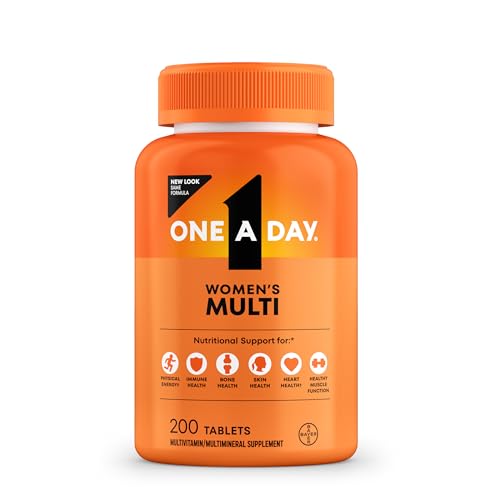
What’s Been Helping Me
A few things I keep on my nightstand.


FAQ
How much protein do I really need during menopause?
While individual needs vary, research suggests aiming for roughly 1.2 to 1.5 grams of protein per kilogram of body weight. For many women, this looks like including a palm-sized portion of protein at every meal.
Can too much protein be bad for my kidneys?
For most healthy women, increasing protein within recommended ranges is safe and beneficial. If you have pre-existing kidney concerns, it is always best to discuss dietary changes with your healthcare provider.
What if I don't like eating a lot of meat?
You can absolutely meet your needs with plant-based sources like tempeh, tofu, lentils, and beans. Many women find that a mix of plant and animal proteins feels best for their digestion.
From Our Network