September 12, 2026
Strength Training for Bone Health After 50: Your Simple Guide for 2026
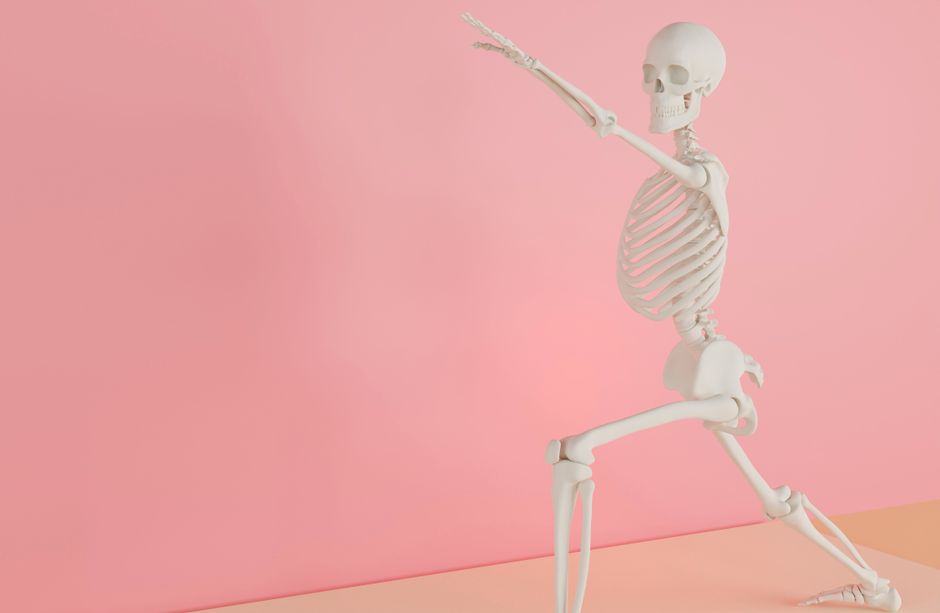
Feeling a little more fragile or noticing changes in your posture can be unsettling as we navigate this transition. You deserve to feel strong and capable in your own body, and the good news is that your bones are more resilient than you might think.
Why Our Bones Need a Little Extra Love Now
As we move through menopause, the shift in our hormones can lead to a natural decline in bone density. It is common to feel like your body is changing rapidly, but you can be proactive in supporting your structural health.
Estrogen plays a significant role in bone maintenance, so as levels fluctuate, our bones may lose minerals faster than they are replaced. Understanding this cycle helps us take charge of our long-term vitality.
Research suggests that placing a gentle, intentional load on your muscles—through resistance—sends a signal to your bones to stay dense and strong. It is not about becoming a bodybuilder; it is about keeping your foundation stable.
Try This
TRY THIS: Start by simply standing up from your chair without using your hands five times in a row. It builds lower body strength and keeps your joints moving.
Focusing on Functional Movement
You do not need an entire gym to see results. Focusing on compound movements—exercises that use multiple joints and muscle groups—gives you the most 'bang for your buck' in a short amount of time.
Movements like squats, presses, and pulls mimic how we move in daily life, such as picking up groceries or reaching for items on a high shelf. This is functional fitness at its best.
By training your body to move as a whole unit, you improve your balance and confidence alongside your bone health. Consistency matters far more than the intensity of a single session.
Try This
TRY THIS: Use a pair of resistance bands while watching your favorite evening show. Ten minutes of light tension is enough to keep your muscles engaged.
Building a Sustainable Routine
The best exercise routine is the one you actually enjoy and keep doing. Start slow, listen to your body, and never push through sharp pain, as grace and patience are vital parts of this journey.
Gradual progression is your secret weapon. Adding a tiny bit of weight or one extra repetition each week creates steady, manageable improvement without overwhelming your nervous system.
Before starting any new exercise routine, always chat with your doctor to ensure it is appropriate for your specific health history and needs.
Try This
TRY THIS: Keep a yoga mat out in your living room as a visual reminder. When you see it, commit to just five minutes of gentle movement.
Free: Symptom Tracker Printable
Track your hot flashes, sleep quality, and what's actually helping — so you can spot patterns and share real data with your doctor.
Digital Download — $14.99
The Menopause Wellness Planner
Everything in the free tracker plus daily logging, supplement tracking, appointment prep sheets, and mood patterns. Built specifically for women navigating this transition.
Get the Planner on Etsy →Instant download • Print at home • One-time purchase
What’s Been Helping Me
A few things I keep on my nightstand.


FAQ
Is it ever too late to start lifting weights for bone density?
It is never too late to begin supporting your body's strength and resilience. Many women find that starting slowly at any age leads to better balance and confidence.
From Our Network